 Armaan Karan Mehta
Armaan Karan Mehta
Armaan Karan Mehta
Genomics researcher · MD-PhD applicant
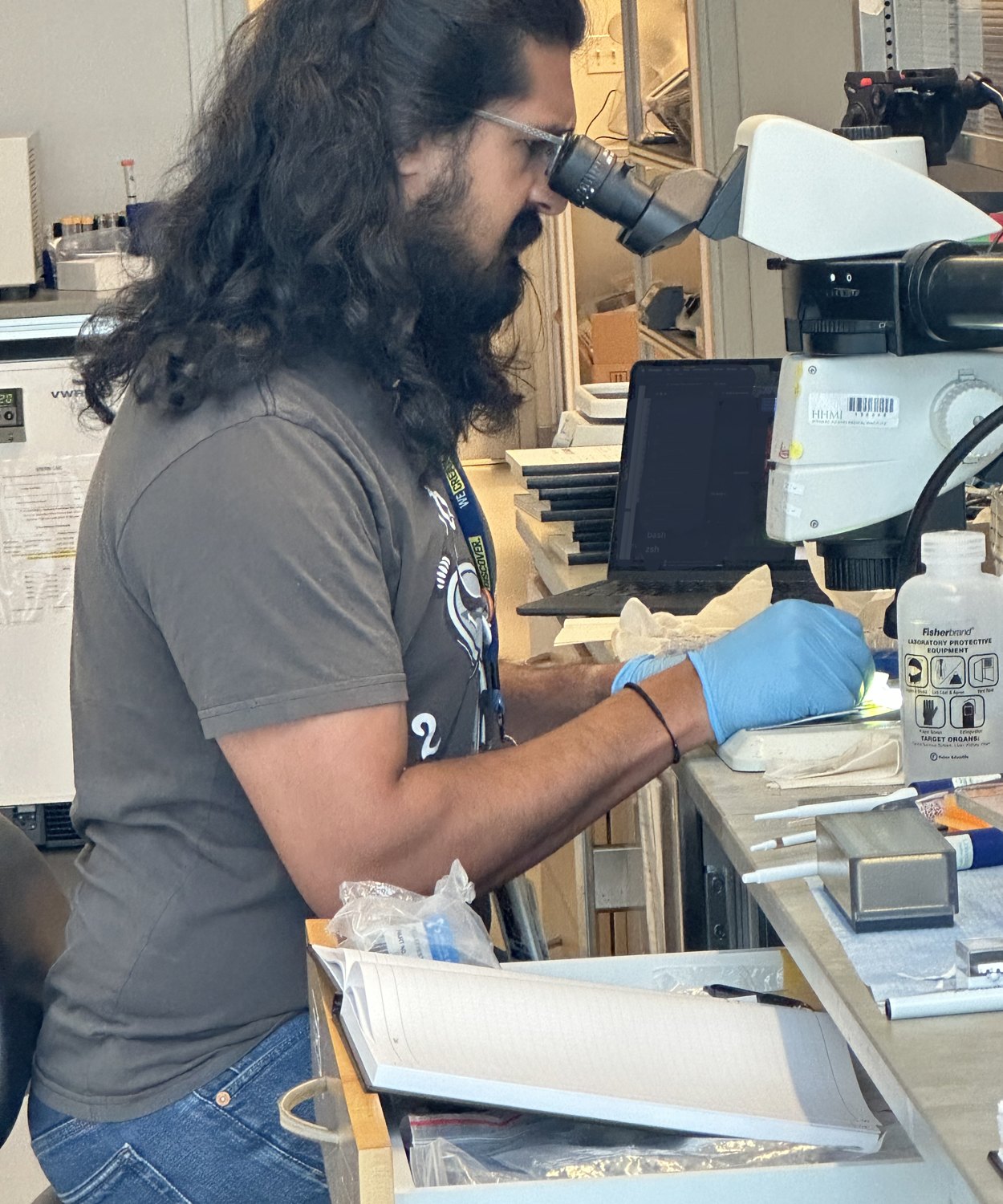
Research Specialist · Stern Lab · Stowers Institute · HHMI
I build tools to one day make genetically targeted medicine accessible for everyone. To get there I'm applying to MD-PhD programs, because going from sequence to symptom takes expertise in both.
Every day the genome grows more accessible: biochemically, computationally, and medically.
I started as a computer engineer building machine-learning systems for health and biomedical research. Today my work runs from the field and the microscope to the sequencer and the model.
The science
As a Research Specialist in the Stern Lab at HHMI and the Stowers Institute, I study population genetics, model evolution with deep learning, and assemble and annotate high-quality genomes.
The lab's comprehensive approach lets me bridge science from the field and microscope, through sequencers, and into AI, so the biology we discover is accurate and real.
The system
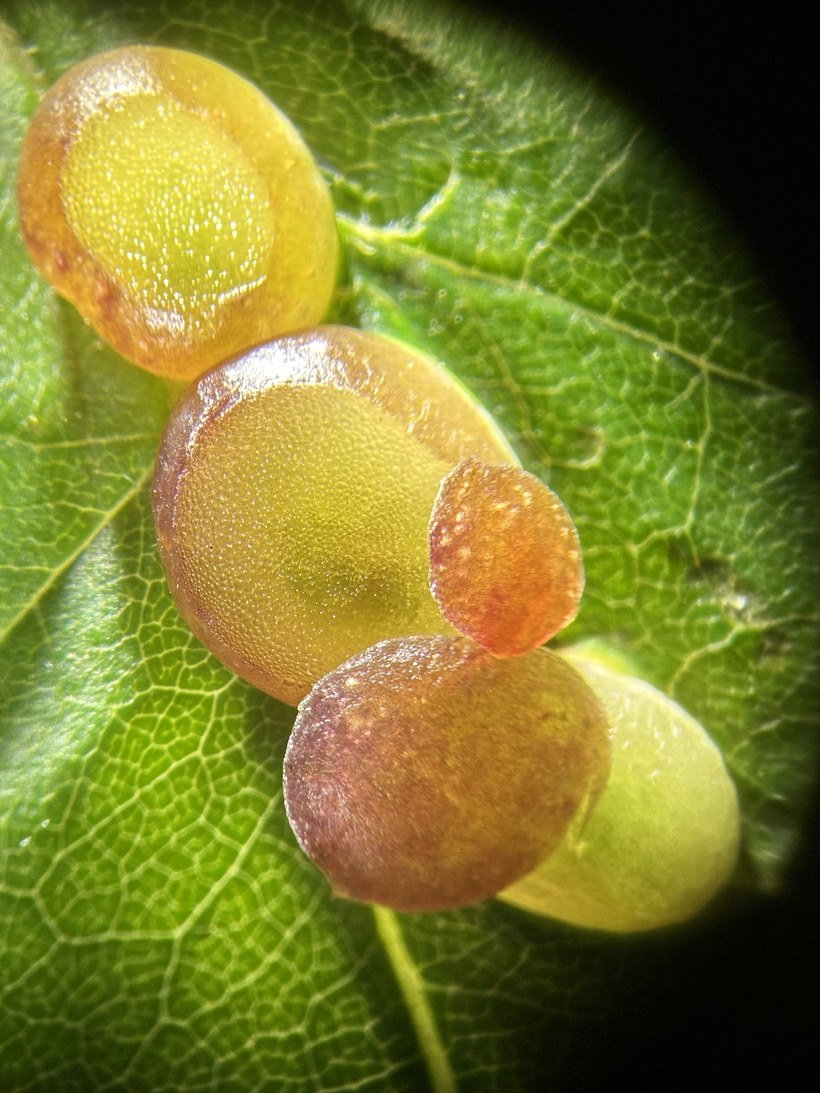
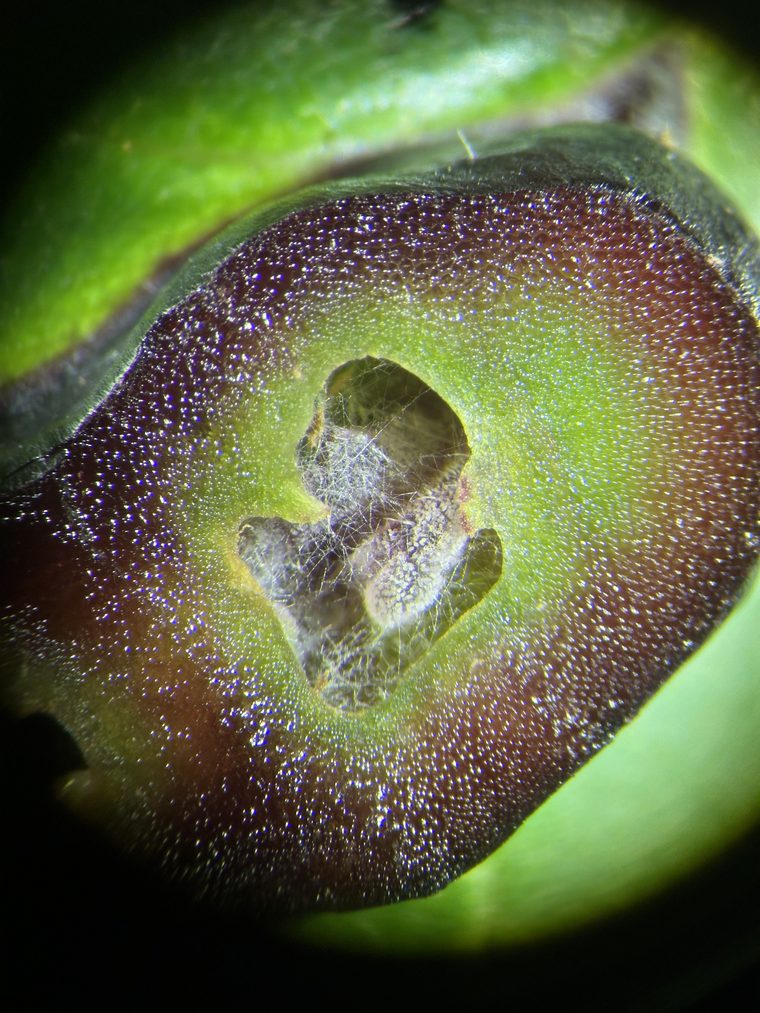
One species, quietly rewriting how another grows.
The medicine
My MPH focused on psychiatric epidemiology, with research on gender, autism, and ADHD. For four years I helped teach a graduate public-health course that paired epidemiology students with autistic adults as collaborators, emphasizing accessibility, participatory research, and dignity of care.
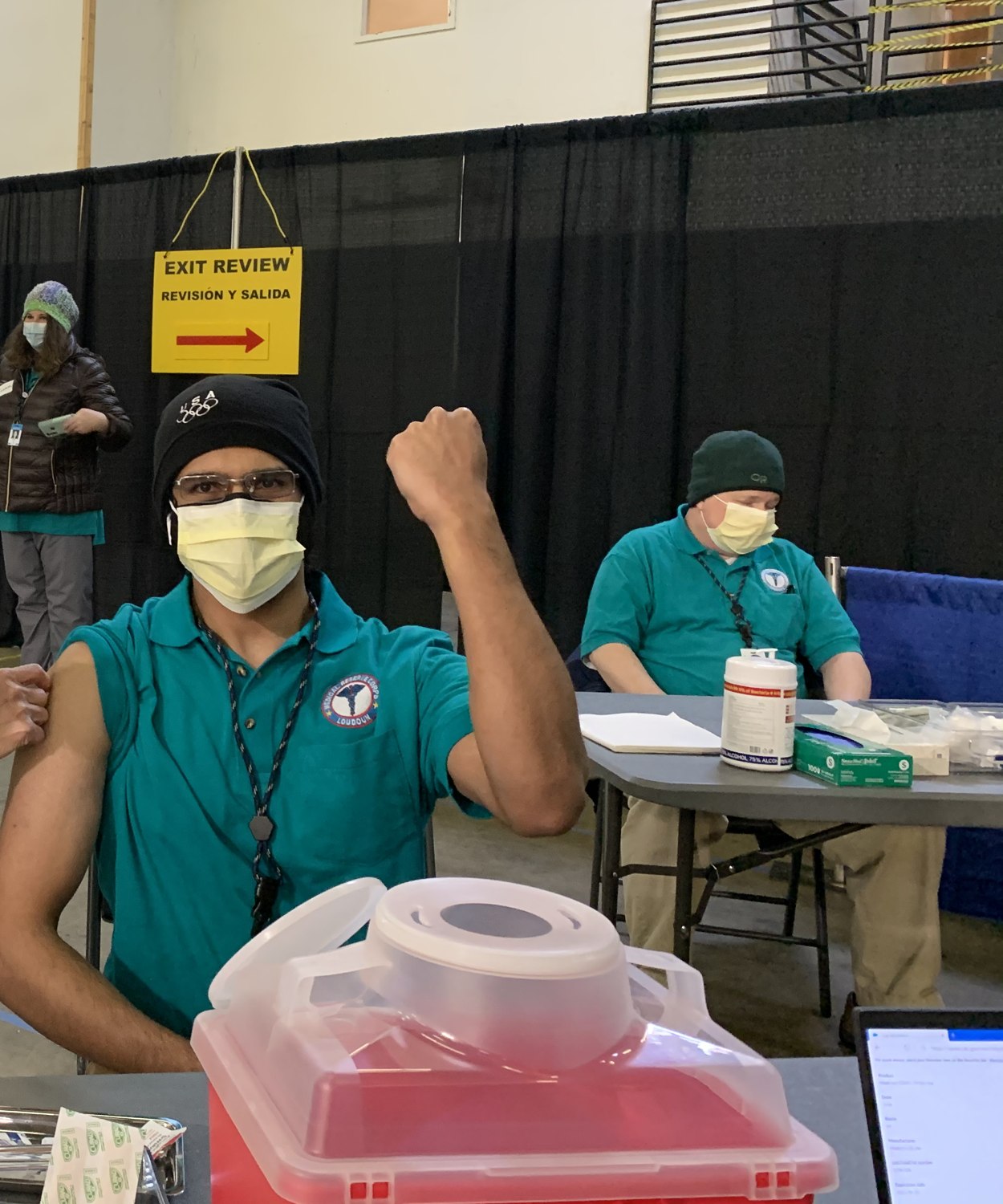
Through the pandemic I served with the Virginia Medical Reserve Corps: patient registration and counseling, vaccine distribution and transport, and getting resources to the communities that needed them.
Bringing it together
An MD-PhD will bring these together. Patients deserve the latest science and a clear explanation of it, and making narrowly tailored, advanced medicine accessible to broad populations is what makes the long journey worth it.
Curriculum vitae
Beyond the lab
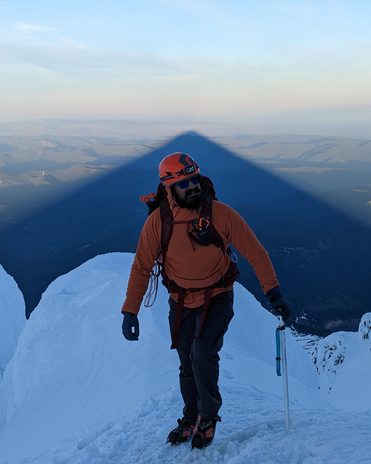
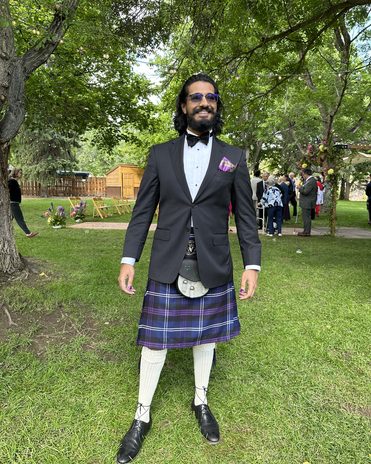
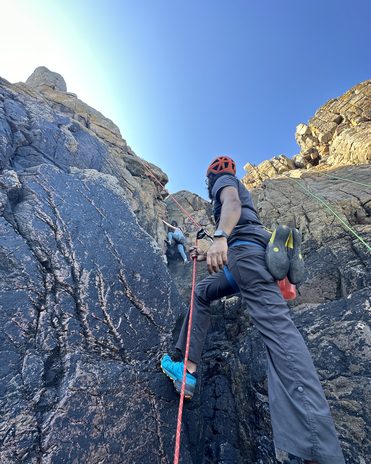
The same curiosity, off the clock.
Personal
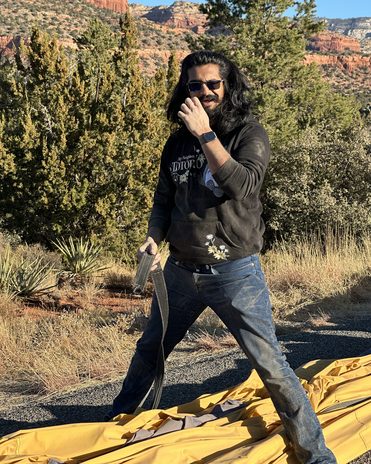
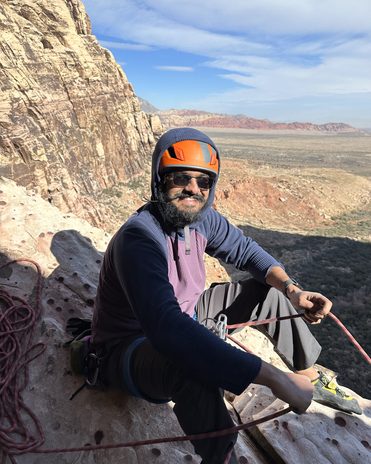
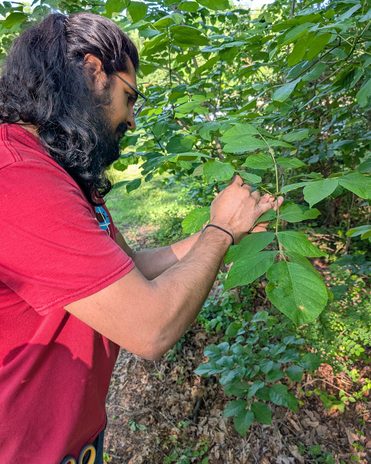
A few of the things I love.


Contact
Best reached by email. I'm always glad to talk about genomics, public health, or physician-scientist training.
Stern Lab, HHMI and the Stowers Institute.
In the Stern Lab, I research parasitic relationships, where one species reaches across a biological boundary to control how another grows. These interactions are strikingly aggressive: parasites hijack their host's development, manipulate its immune system, and direct its tissues with precision. I study how that machinery works, and how it has evolved.
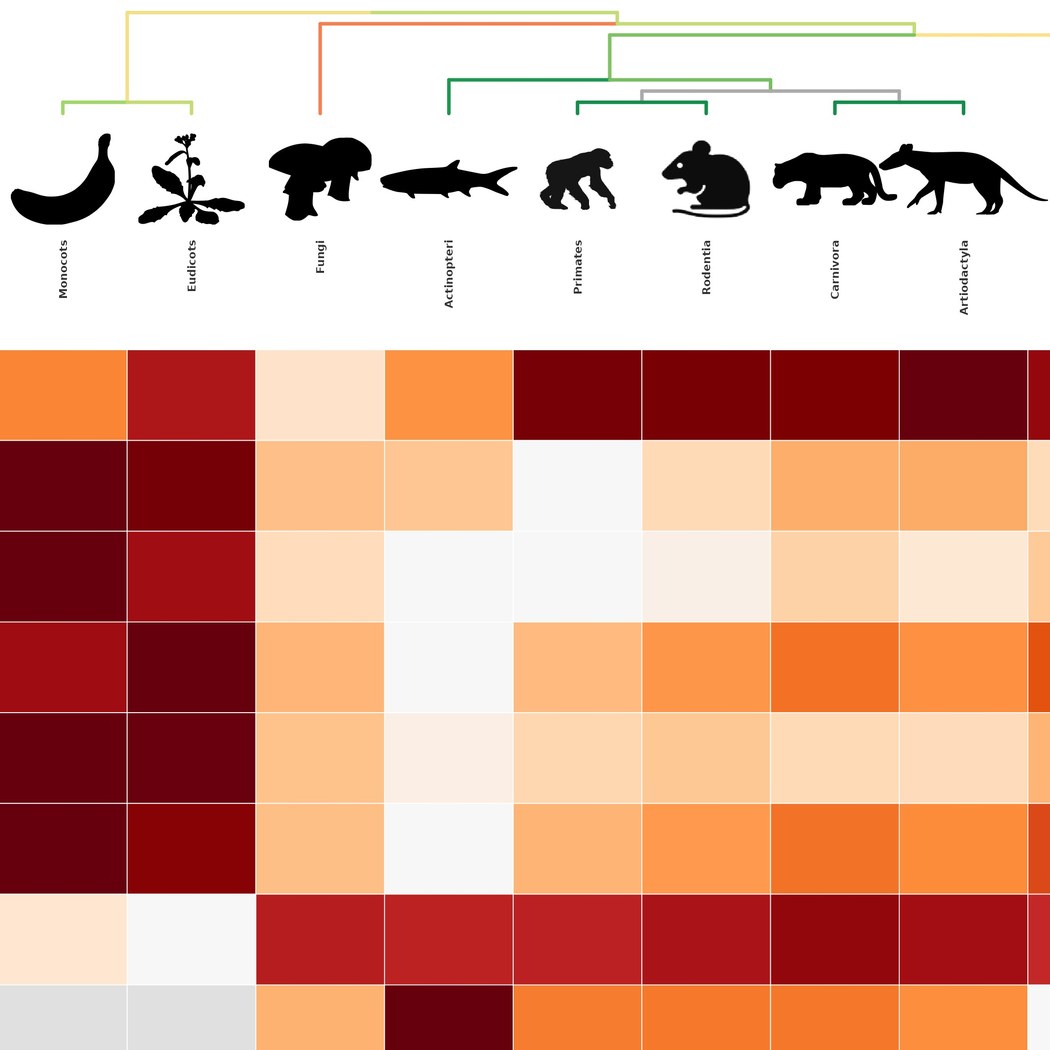
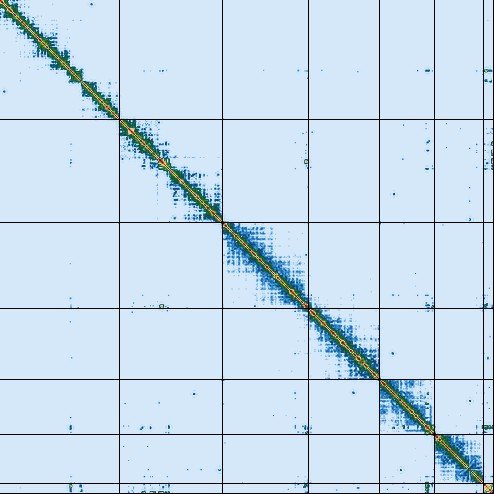
To find those mechanisms, I have learned to use population and comparative genetics across many related species. Comparing their genomes shows which regions are conserved and which have been rewritten. This illuminates the specific proteins that enable this relationship and trace them as these lineages diverge. The lab favors rapidly evolving systems because change accumulates fast enough to follow clearly. I take part in every stage of that work, from collecting samples in the field to the final analysis.
In the end, these are the same problems the human body has to solve. Immune evasion, developmental control, and the genetic conflict between host and parasite all have direct parallels in human disease, from infection to allergy to autoimmunity. Mechanisms that are nearly impossible to isolate in people are often discovered in these alternative systems. That is the goal of my work: using evolution's clearest experiments to one day understand the biology behind human disease.
Answering these questions takes genomes, many of them, with high quality sequences and across the tree of life. In the Stern Lab I learned to assemble and annotate new reference genomes and set them in their evolutionary context, comparing hundreds of species at once. Reading conservation and divergence across that comparison is how candidate genes and proteins first come into view. A pattern only becomes convincing once you can watch it repeat across lineages.
Getting there is a genuine engineering problem. Raw sequencing data has to be assembled, decontaminated, scaffolded to chromosome scale, and annotated before any of it can be compared. Together with Dr. Stern, I built and run petabyte-scale pipelines that turn trillions of reads into finished, trustworthy genomes. My engineering background helped me make that process reproducible, so the biology we discover is accurate and real.
Finally, I build deep-learning models that discover new biology within those genomes. My models capture relationships and adaptations that conventional comparisons would miss: thousands, and potentially millions of proteins that have been overlooked. My models predict how proteins relate and evolve, and then surface new candidates worth chasing at the bench. It is where the computation finally points back at biology, and, I hope one day, at medicine.
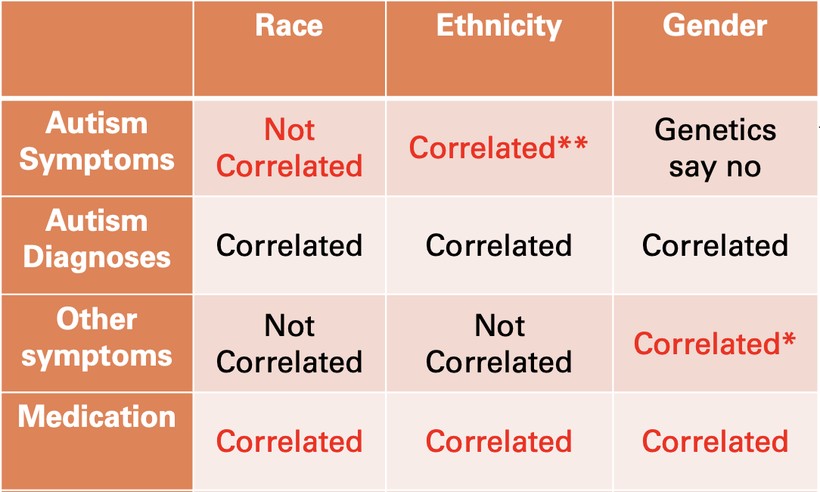
In the Milken Institute School of Public Health, my research in psychiatric epidemiology focused on studying how autism and ADHD are actually diagnosed across a population. Those diagnoses are far from neutral: who receives one, and when, turns heavily on sex, gender, and family income, and working with nationwide datasets I traced those disparities and the tension between the biological and social stories told to explain them.
I worked, taught, and learned alongside nonspeaking autistic adults. They were research partners, communicating through assistive devices and reshaping the questions I thought to ask. Together, we taught graduate students, using autistic voices as inspiration, my research methods as implementation, and students' creativity for the application, eventually handing the findings back to the autistic community that needed them. This is the other half of how I understand medicine: genetics can explain a mechanism, but epidemiology and lived experience explain who a condition reaches and how it is met.
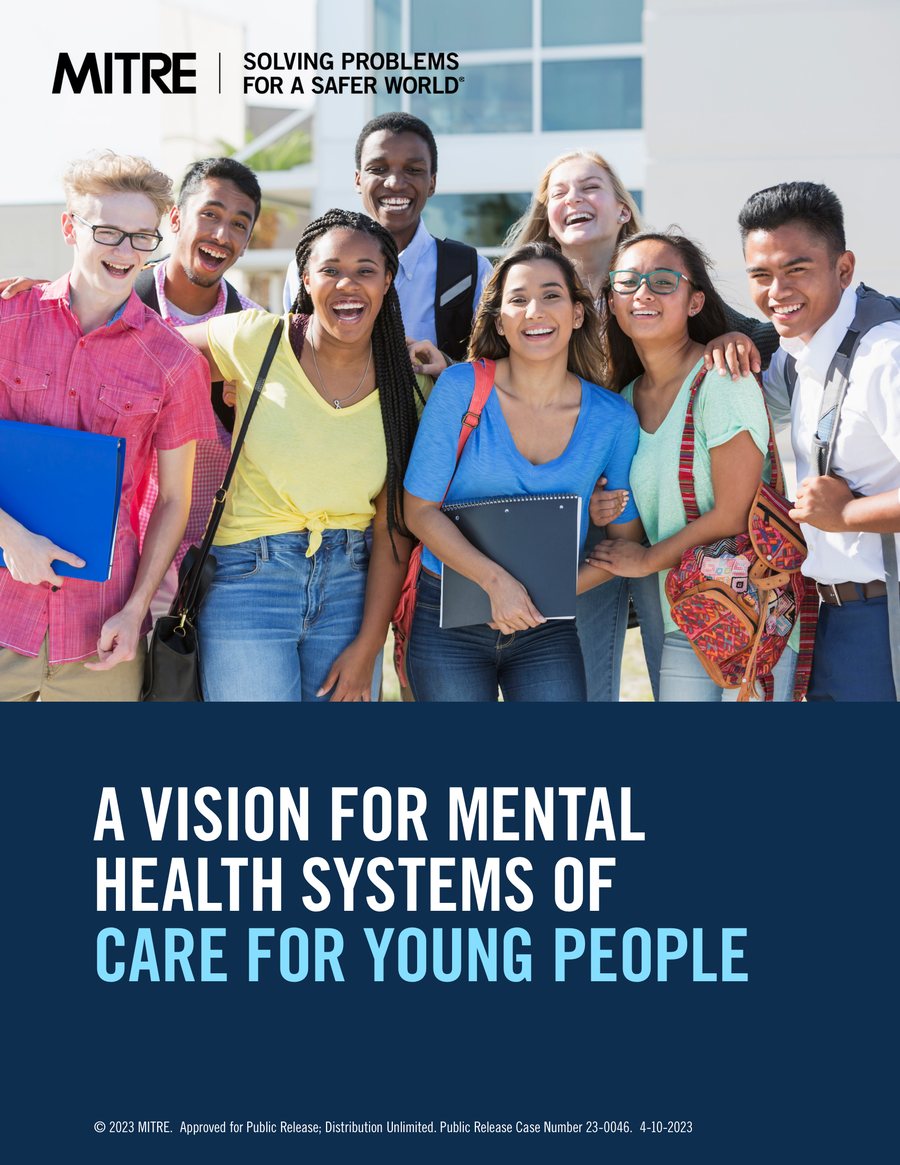
In my later years at MITRE, I worked on machine learning and epidemiology for public health. Under Liz Oppenheim, I conducted an evaluation of the federal programs meant to support children's mental health: we gathered all federal programs targeting children's mental health into a single analytic framework and modeled which of their goals were actually sensitive to funding. We were after a hard, practical question: where the money helps, and where it doesn't. The work became part of a published report I co-authored and presented to a council of healthcare executives. You can find the report here.
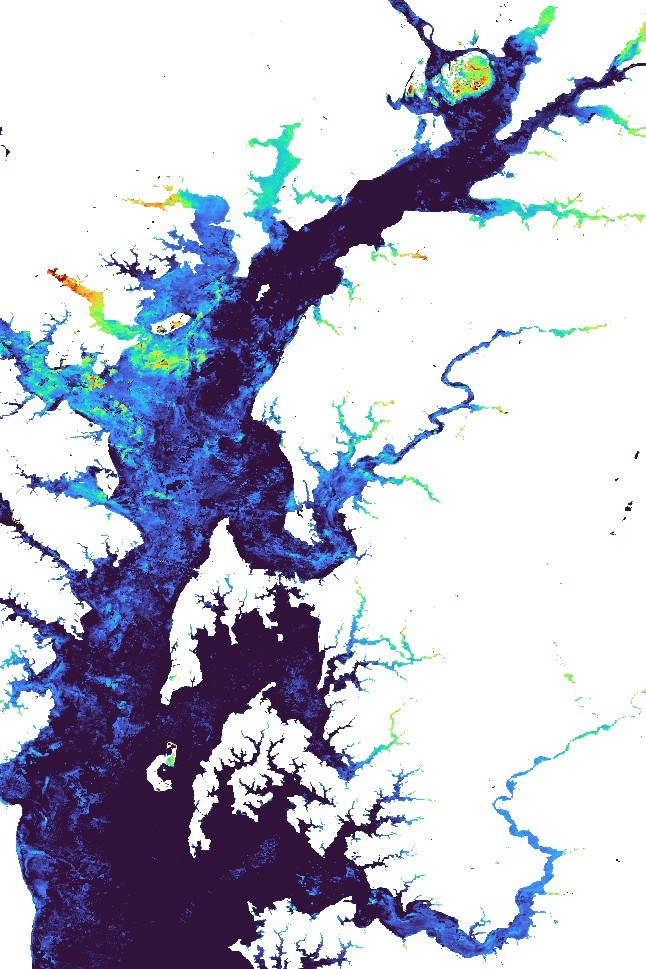
For the first half of my time at MITRE I was building machine learning for biotechnology, biomedical and geospatial data. I designed deep-learning systems for satellite imagery, processing both raster and spectral images for ecosystem and human health. I built databases and AI compatible systems to make messy laboratory and flow-cytometry data searchable. Other projects reached further afield, from multi-agent reinforcement learning to multi-government deployments. This time at MITRE is what brought the engineer out in me, turning ideas into useable systems.
Press Esc or × to return.